
Ozempic · GLP-1 weight loss medication · semaglutide
Ozempic, Explained Honestly.
Dr. Rachel Gougian of Pandora Family Medicine is a Diplomate of the American Board of Obesity Medicine. She prescribes Ozempic and other GLP-1 medications with the kind of oversight that actually matters: a real physician who knows your history, monitors your progress, and adjusts your care when something changes.
At a glance
- Diplomate, American Board of Obesity Medicine
- $200 initial visit, $150 follow-up
- No subscription, no monthly program fees
- Prior authorization assistance included
- Ozempic, Wegovy, Mounjaro, Zepbound, phentermine, Qsymia
- ★ 4.7 Google rating
What Is Ozempic and Who Is It For?
Ozempic is a brand-name injectable medication containing semaglutide. The FDA approved it to treat Type 2 diabetes. It works by mimicking a hormone your body already makes, one that signals fullness, slows digestion, and helps regulate blood sugar. As a result, many people taking it for diabetes also lost significant weight. That observation changed the conversation.
Prescribing Ozempic for weight loss in people without diabetes is legal and common. It is called off-label use, and physicians do it routinely when the clinical picture supports it. There is no rule that says you must have diabetes to be prescribed Ozempic. What matters is whether the medication is appropriate for you specifically, which is exactly what a physician evaluation is for.
If you do have Type 2 diabetes and are also managing your weight, Ozempic may be doing two jobs at once. Dr. Gougian sees patients with both concerns regularly and can address them together rather than sending you somewhere else.
Ozempic for Weight Loss: What the Evidence Shows
The clinical data on semaglutide is not subtle. In trials, people using it lost significantly more weight than those on placebo, often in the range of 10 to 15 percent of body weight over about a year. That is more than most other weight loss medications have produced.
That said, it is not a medication that works the same way for everyone. Some people respond strongly. Others see more modest results. Dose, duration, diet, activity level, and individual physiology all factor in. A physician who is following your case over time can tell the difference between a dose that needs adjusting and a medication that simply is not the right fit.
The other honest thing to say: weight loss medications work best when they are part of a broader approach. Not a program you pay for monthly. Just a doctor who checks in, tracks what is happening, and helps you figure out what is actually working.
Ozempic vs. Wegovy: Understanding the Difference
Both contain semaglutide. The difference is the approved dose and the FDA indication. Wegovy is approved specifically for chronic weight management and goes up to a higher maintenance dose than Ozempic. Ozempic tops out at a lower dose and carries the diabetes indication.
In practice, the right choice depends on your situation: insurance coverage, what your body tolerates, availability, and what you are trying to accomplish. Mounjaro and Zepbound, which contain tirzepatide, are also options worth discussing. So are phentermine and Qsymia for patients who are better candidates for oral medication.
You do not need to arrive knowing which medication you want. That is what the initial visit is for. Dr. Gougian will go through your history, talk through the options, and recommend what makes sense for you.
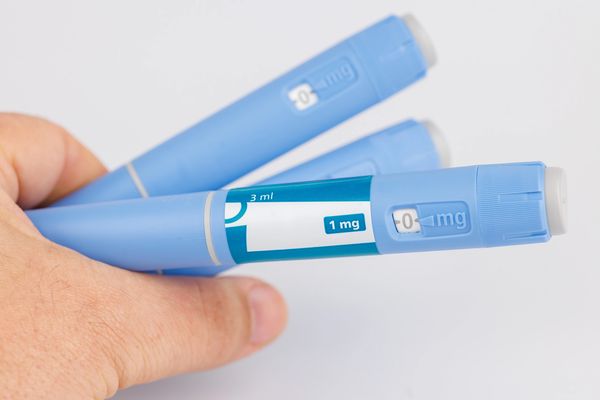
Insurance coverage for GLP-1 medications varies widely. Some plans cover Wegovy or Zepbound but not Ozempic for weight loss. Some require prior authorization. Some cover nothing. Dr. Gougian's office handles prior authorization on your behalf at no extra charge. If your insurance denies coverage, she will explain your options clearly so you can decide how to proceed. You will not be left figuring that out alone.
Schedule OnlineManaging Side Effects With Physician Guidance
The most common side effects of Ozempic are nausea, vomiting, and GI discomfort, especially in the first few weeks or after a dose increase. They are real, and it is fair to take them seriously. For most people, they ease up as the body adjusts. Starting at a low dose and increasing gradually is standard practice, and it exists specifically to reduce how much of this you experience.
You may have read about more serious concerns: pancreatitis, thyroid tumors, gallbladder issues. These are not invented. They are listed in the prescribing information and discussed in the medical literature. They are also uncommon, and the risk profile for most patients is favorable when weighed against the health risks of untreated obesity. Dr. Gougian reviews your individual history before prescribing and monitors for warning signs over time. That is the difference between physician-guided treatment and a telehealth prescription that arrives with no follow-up.
Examen médico de inmigraciónToda la información de esta página, en español.Ver en españolGetting an Ozempic Prescription Near Washington DC
Pandora Family Medicine is at 6300 Baltimore Ave, University Park, MD 20782, on Route 1 between College Park and Hyattsville. Easy to reach from DC, Takoma Park, Silver Spring, and most of Prince George's County.
The initial weight loss visit is $200. Follow-up visits are $150. No subscription, no monthly program fee, no surprise charges. You pay for the visit. That is it. If you want to compare that to what Ro, Noom, or Calibrate charge over time, the math is usually not close.
- University Park
- Hyattsville
- College Park
- Takoma Park
- Silver Spring
- Washington, DC
- All locations →
Frequently Asked Questions
Can Ozempic be prescribed for weight loss if I don't have diabetes?
What are the side effects of Ozempic and how are they managed?
How do I know if Ozempic or Wegovy is right for me?
Schedule Your Weight Loss Consultation
The initial visit is $200. Appointments are usually available within the week. Call us at 301-200-0960 or book online. If you have questions before scheduling, we are happy to answer them.